Technology

꞉꞉ Two Technologies For Different Power Needs
We are developing radioisotope systems for heat and small electrical loads, alongside fission power for larger surface operations. Each starts with the requirements of the mission it will serve.
Space Batteries
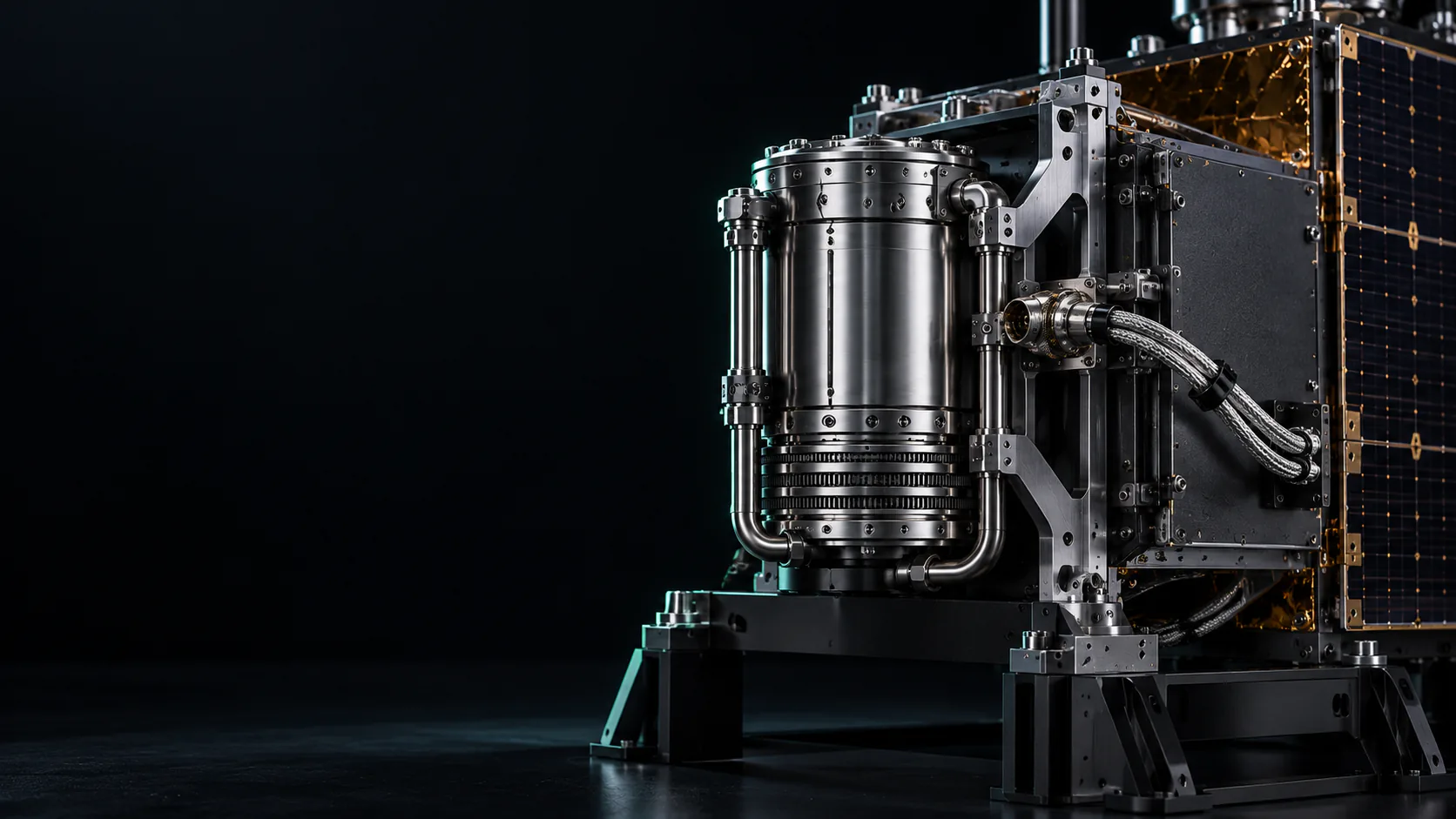
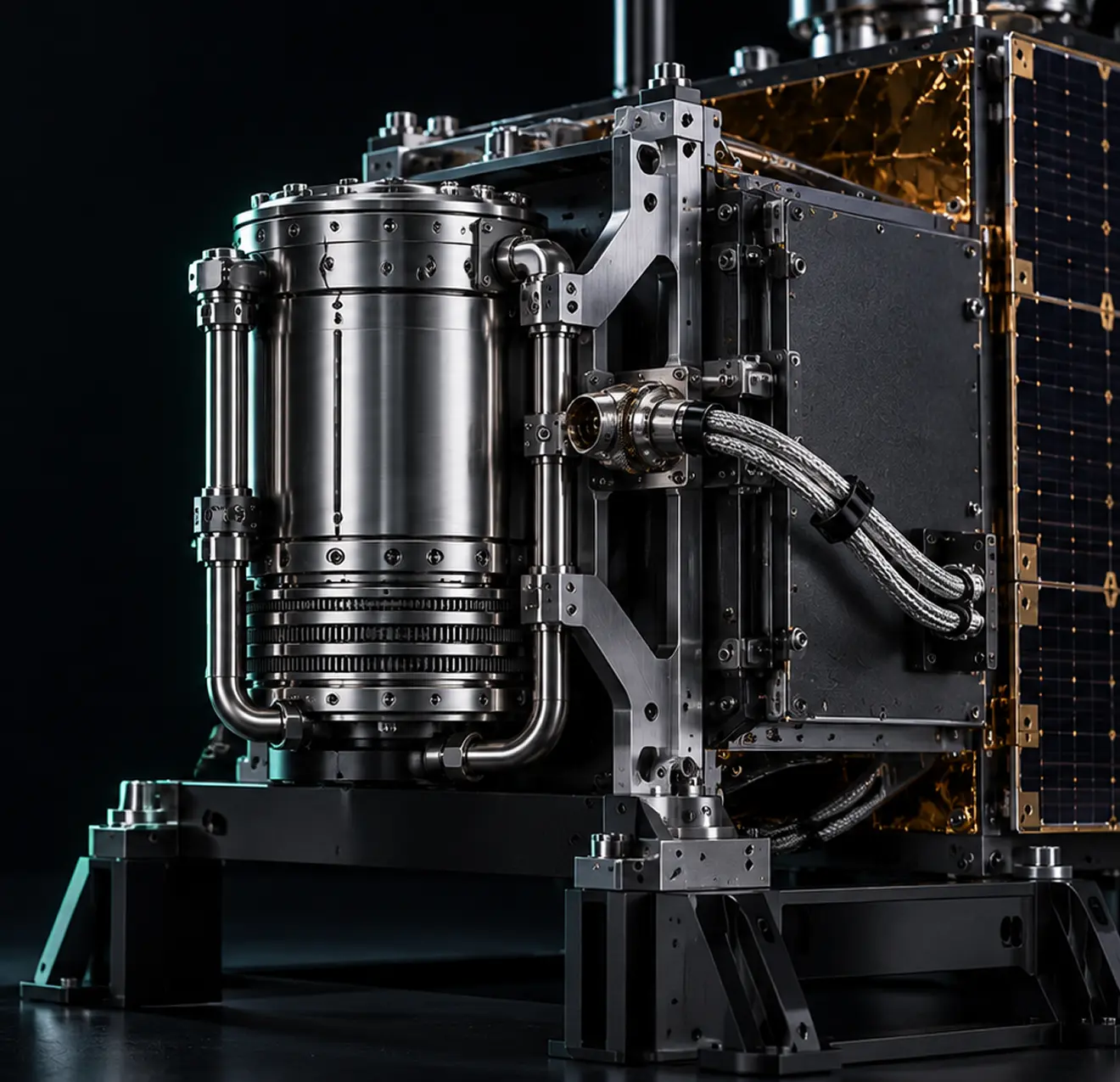
A sealed radioisotope source releases heat through natural radioactive decay. That heat can support battery and payload survival. Electrical variants add a converter to supply essential mission loads.
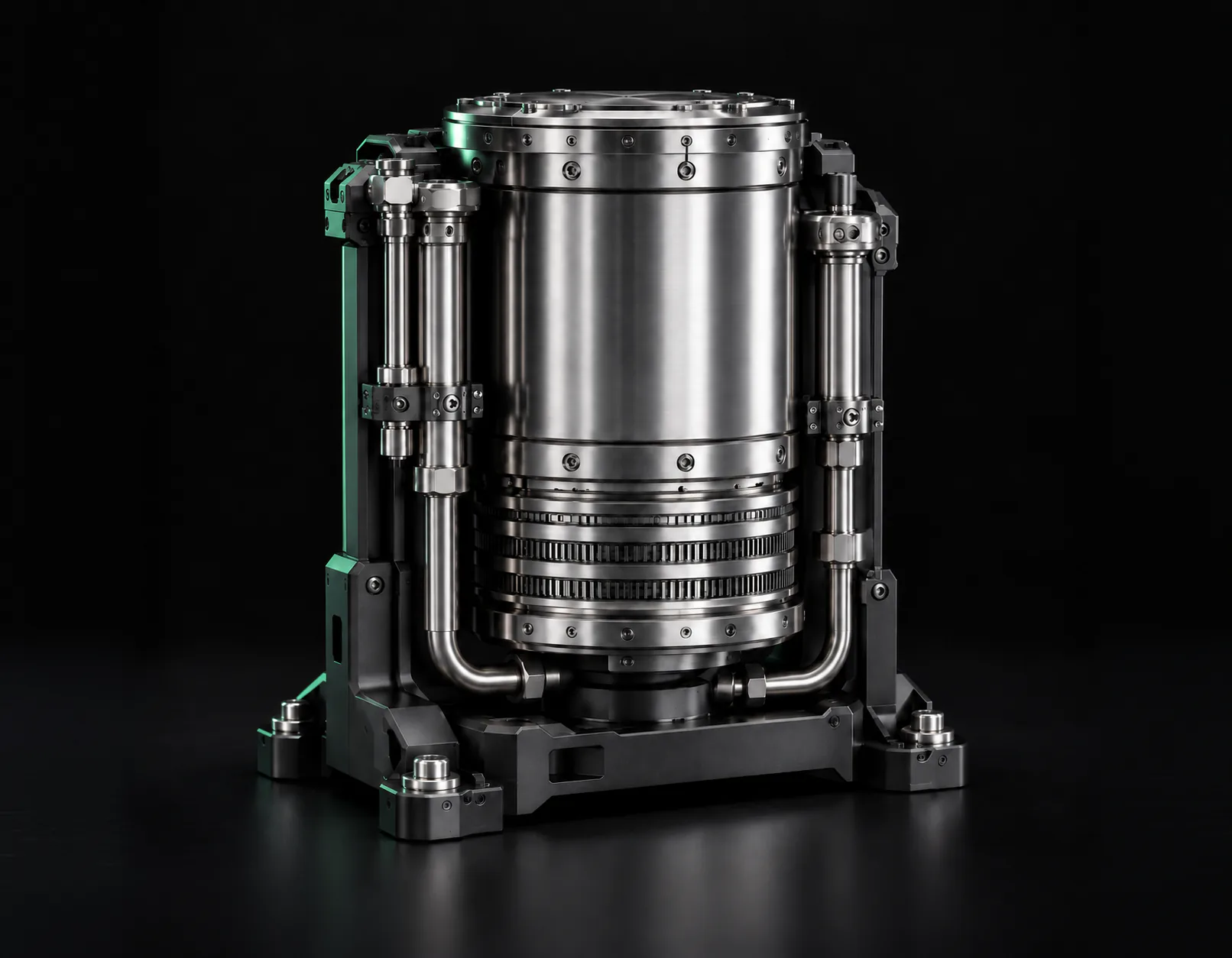
Fission BEAST Reactor
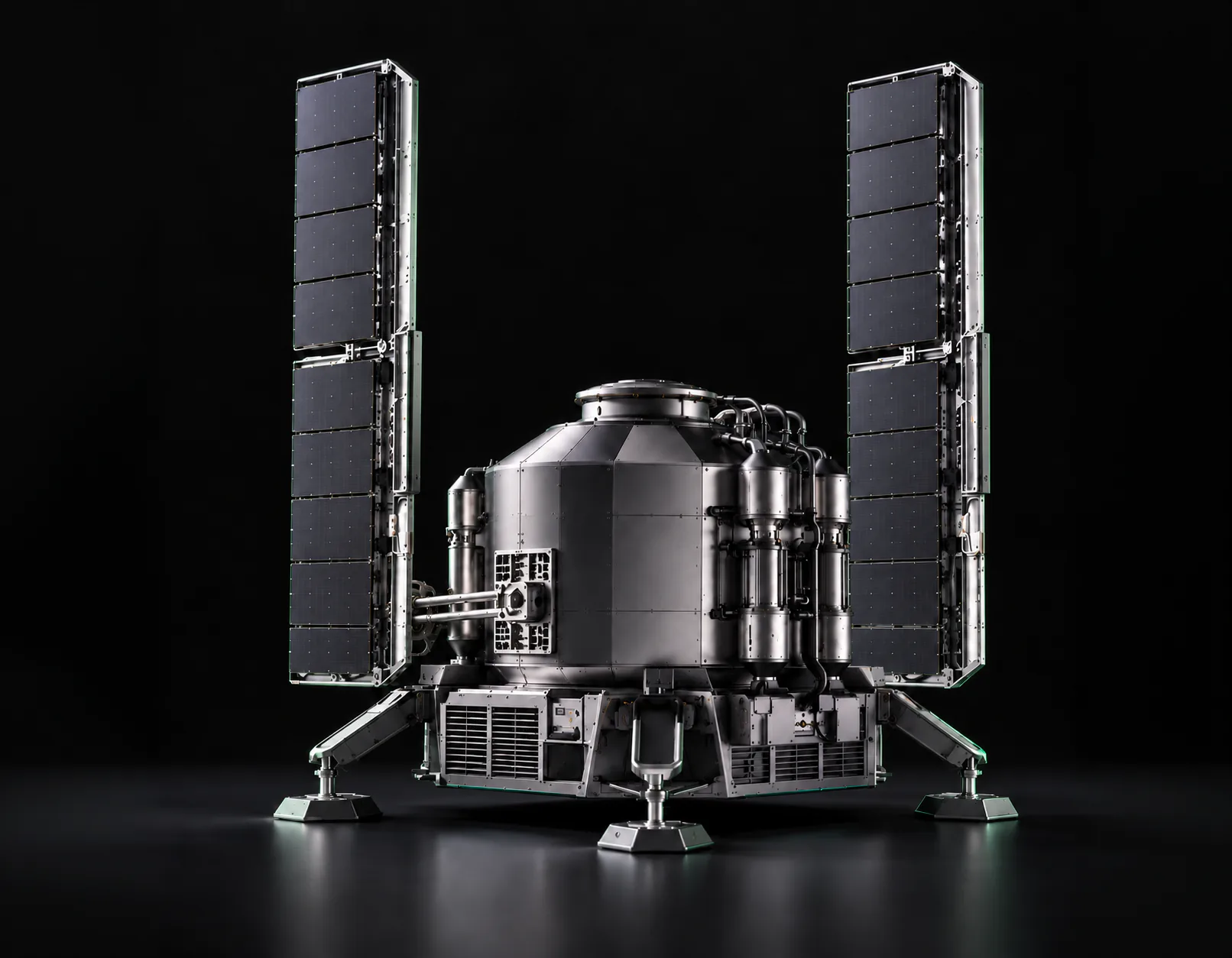
A fission reactor produces heat, which a turbine-generator converts into electricity. BEAST is our development program for continuous power and useful heat for larger lunar facilities.
Questions about the technology
How are the two technologies different?
Space Battery uses the natural decay of a radioisotope source. BEAST uses controlled nuclear fission. They serve different power levels and follow separate development programs.
What stage are the products at?
Both are in development. The roadmap moves through electrical emulation, prototype and subsystem testing, then integrated demonstrators. Published specifications are targets for validation.