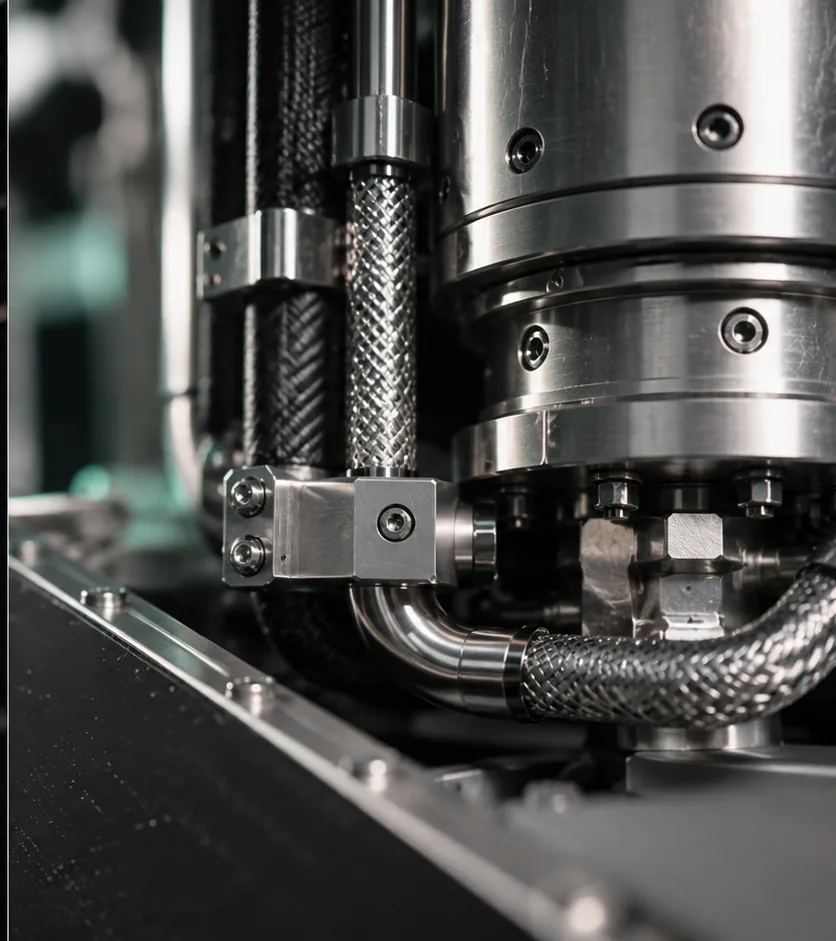
꞉꞉ Heat And Power Through The Lunar Night
Space Battery is our family of radioisotope systems in development for payload heating and small electrical loads. We are starting with the thermal-survival needs of lunar landers and their payloads.
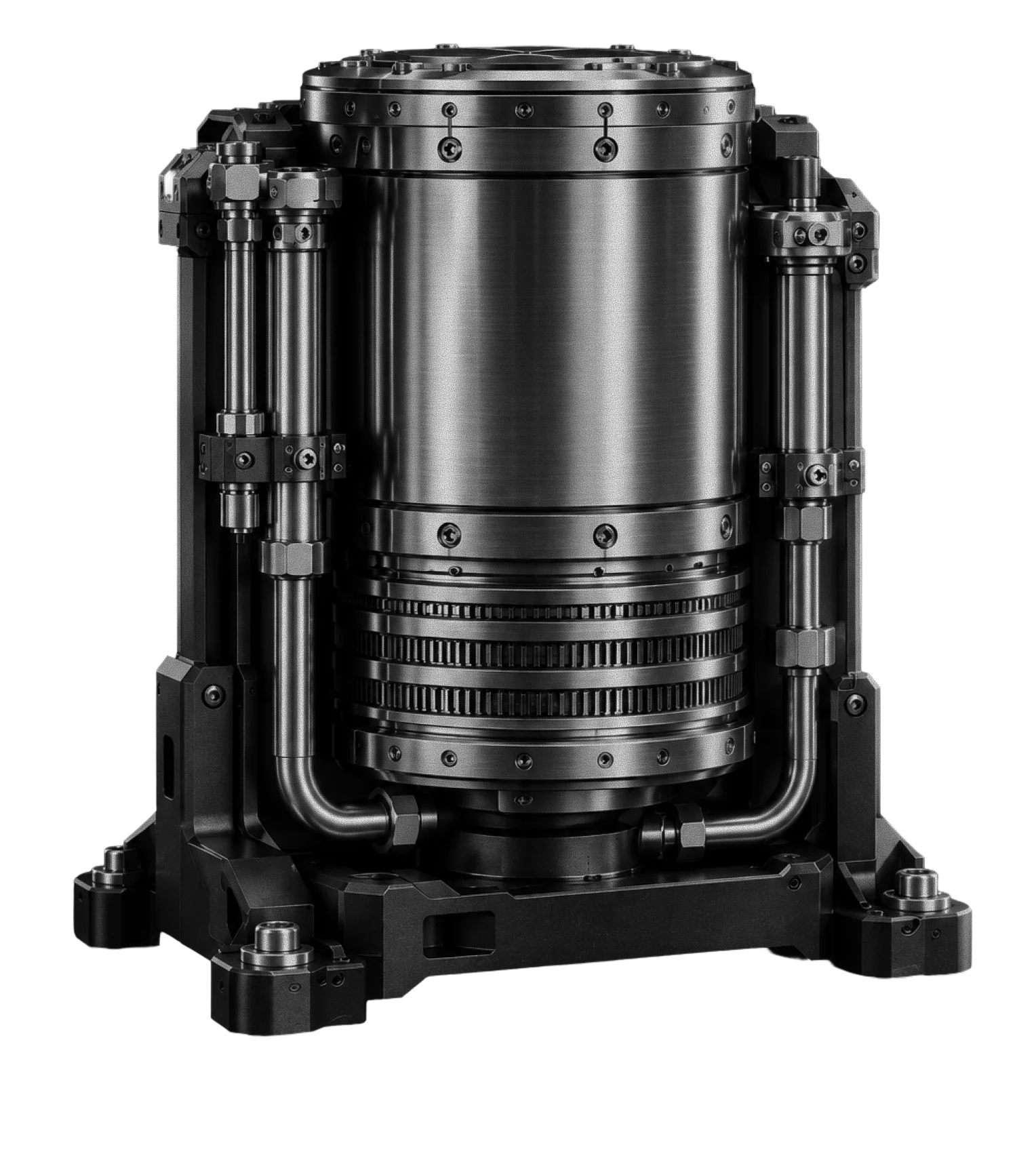

Space Batteries

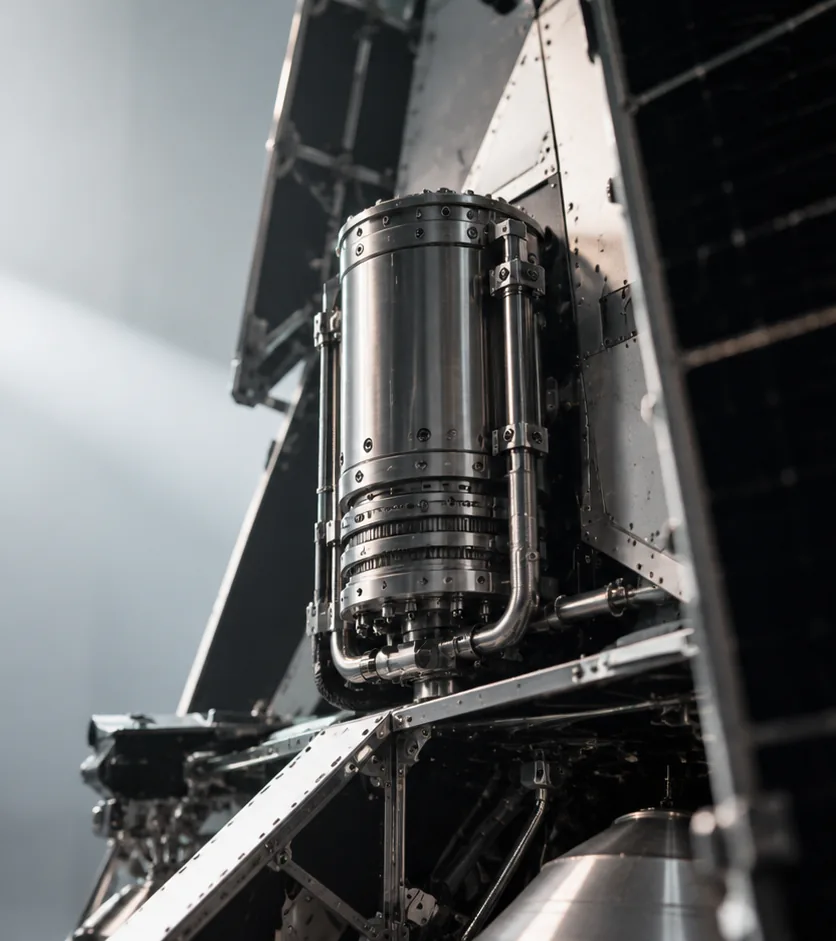
Helping equipment survive the cold.
Batteries and sensitive electronics must stay within their operating temperatures. Our first application is a survival system matched to the payload, combining a radioisotope heat source with thermal control. Electrical variants would also supply essential loads.
How it works
Every Space Battery variant follows the same underlying process: continuous heat generation, controlled routing to where it's needed, and - for electrical variants - conversion into buffered, usable power.
Generate Heat
A sealed radioisotope source releases heat continuously through natural radioactive decay.
Control The Heat Flow
Thermal routing and insulation direct heat to the battery or payload interface.
Add Electrical Power
Electrical variants use thermoelectric or Stirling conversion concepts, with power management and buffering to serve the mission.